|
0 Comments
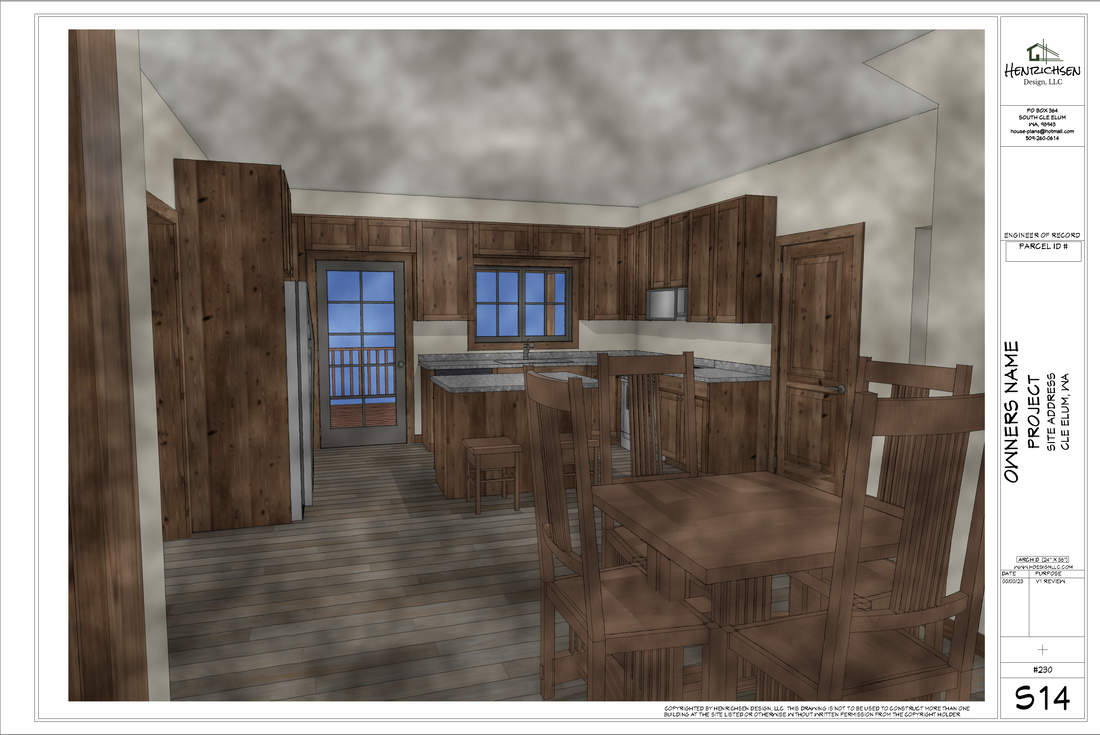
This cabin, nestled in the pines and built in the 1970's, was begging for an update. The interior was gutted, completely redesigned and new additions grace three sides, breathing new life into the old chalet. Gone are the too small and non-functional spaces.
It's important to enhance the existing structure while ensuring it harmonizes with the natural surroundings and itself. Too often you see additions that are not cohesive with the base structure. The new and the old look as if they're at war with each other. Yuck... We work closely with homeowners to understand their needs and desires, balancing design decisions with aesthetic appeal, functionality, and your budget in mind. A client in Idaho sent me some progress pics this morning. I love seeing these come to life. (Note: These were very low resolution, so I upscaled them. AI decided to wrinkle the house wrap.) This Mountain Modern is looking good.
Throughout the month of May, I donated much my free time constructing a mobile registration booth for the Cle Elum Downtown Association. It was a fun little project to design and build. Look for it at upcoming events. If you're interested in volunteering you can contact them through the website listed below.
CEDA is a local non-profit that promotes economic vitality in the historic downtown core, supporting local merchants. They also put on numerous events throughout the year, relying almost entirely on volunteer labor, including Pioneer Days, Boo-Elum, Downtown Clean Up, Plaid Friday, Christmas in Cle Elum and more. https://cleelumdowntown.com/ Designing a new home is an exciting journey, but it can be overwhelming. Collaborating with a building designer streamlines the process and ensures that your vision is realized. Here are some essential tips to make the most of your partnership.
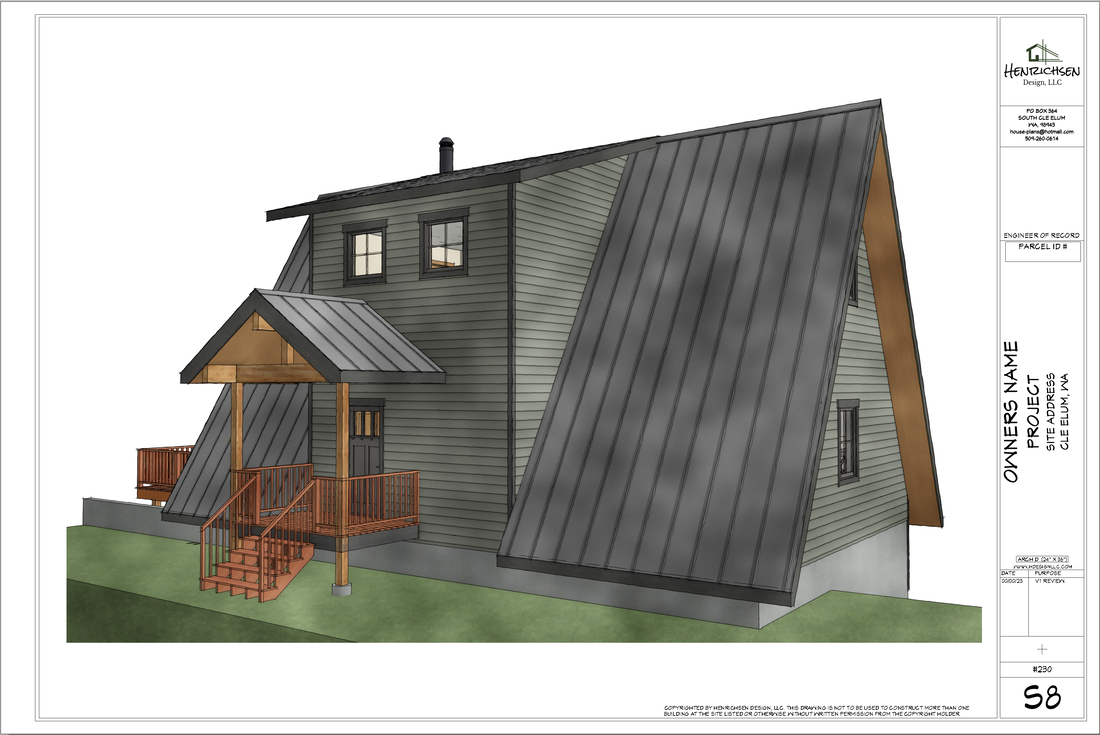
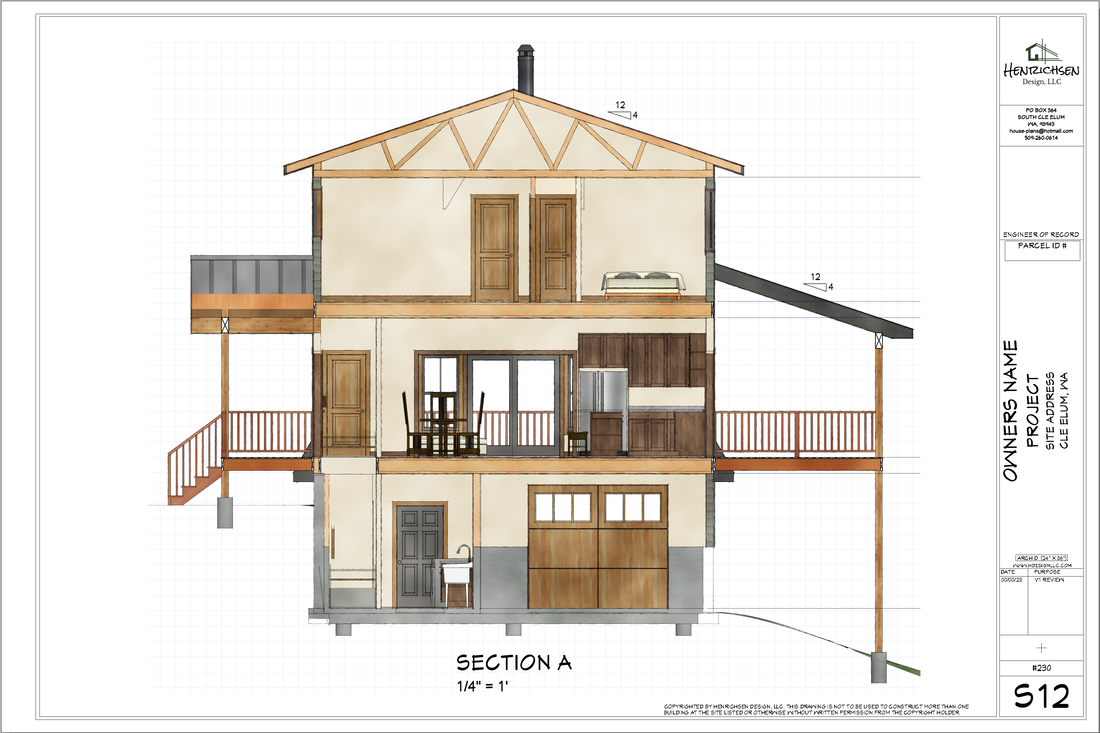
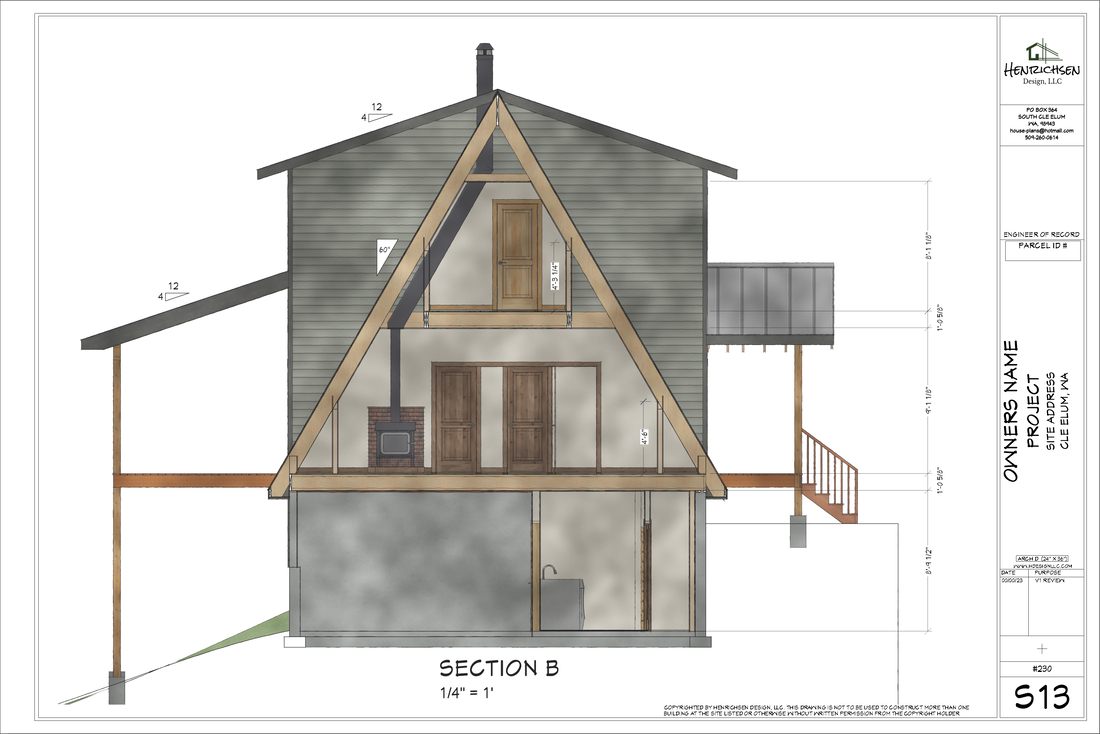
1. Define Your Vision and Goals Before meeting with a building designer, take some time to clarify your vision for your new home. Consider the following: -Style: Which architectural styles do you prefer? Modern, traditional, a mix? https://www.nar.realtor/magazine/tools/architectural-styles/residential -Functionality: How many bedrooms and bathrooms do you need? Do you require specific spaces like a home office or gym? -Lifestyle: Think about how you live. Do you entertain often? Do you need outdoor spaces? Having a clear vision will help your building designer understand your needs and preferences. 2. Set a Realistic Budget Establishing a budget is crucial in the early stages of the design process. Be transparent with your building designer about your financial constraints. This will help them create a design that meets your needs without exceeding your budget. Remember to account for: -Construction costs -Permits and fees -Interior furnishings and landscaping 3. Communicate Openly and Regularly Effective communication is key to a successful partnership. Schedule regular meetings to discuss progress, address concerns, and provide feedback. Be open about your thoughts on design concepts and be willing to listen to their professional advice. 4. Be Open to Suggestions While it’s important to have a vision, be open to your building designer’s suggestions. They bring expertise and experience that can enhance your design. They may propose innovative solutions or alternatives that you hadn’t considered, which could improve functionality or aesthetics. 5. Understand the Design Process Familiarize yourself with the typical stages of the building design process, which usually includes: -Schematic Design: Initial concepts and layouts. -Design Development: Refining the design and selecting materials. -Construction Documents: Detailed drawings and specifications for builders. Understanding these stages will help you manage your expectations and stay engaged throughout the process. 6. Review and Revise Once the initial designs are presented, take the time to review them thoroughly. Don’t hesitate to ask for revisions if something doesn’t feel right. It’s better to address concerns early in the process than to make changes later when construction is underway. 7. Consider Sustainability If you’re interested in sustainable design, discuss this with your building designer. They can incorporate eco-friendly materials, energy-efficient systems, and sustainable practices into your home design, which can save you money in the long run and reduce your environmental impact. 8. Trust the Process Designing a home is a complex process that takes time. Trust your building designer’s expertise and allow them to guide you through the various stages. Patience is key, as rushing can lead to mistakes or oversights. Working with a building designer to design your new home is a rewarding experience if approached thoughtfully. By defining your vision, maintaining open communication, and being receptive to professional advice, you can create a space that reflects your lifestyle and preferences. Remember, this is a collaborative effort, and your building designer is there to help you bring your dream home to life. Let's face it, it's 2023, not 1973, so I don't get much call for A-Frames these days. However, I received a request for one recently, and it's been fun project to model.
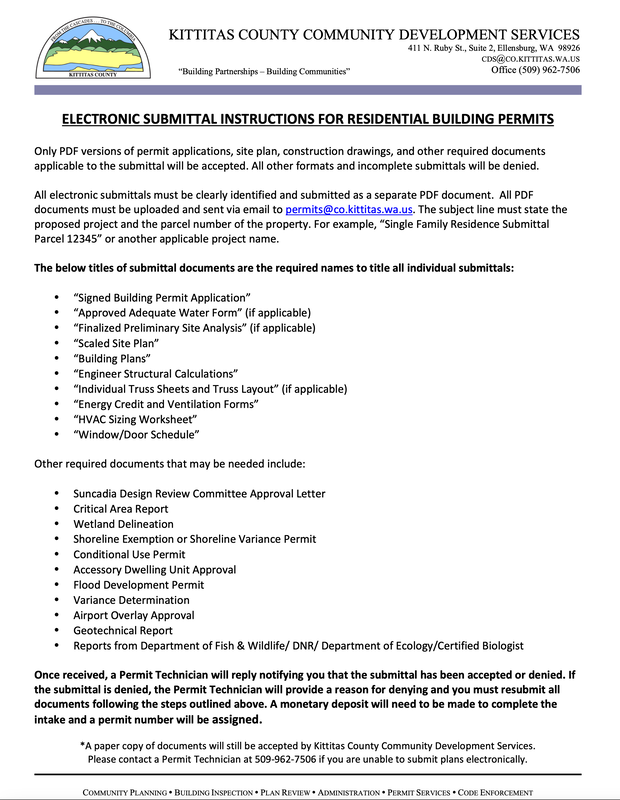
It's official: Kittitas County has stepped in to the 21st century and now accepts electronic submissions!
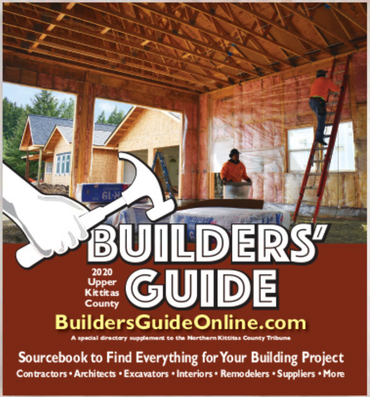
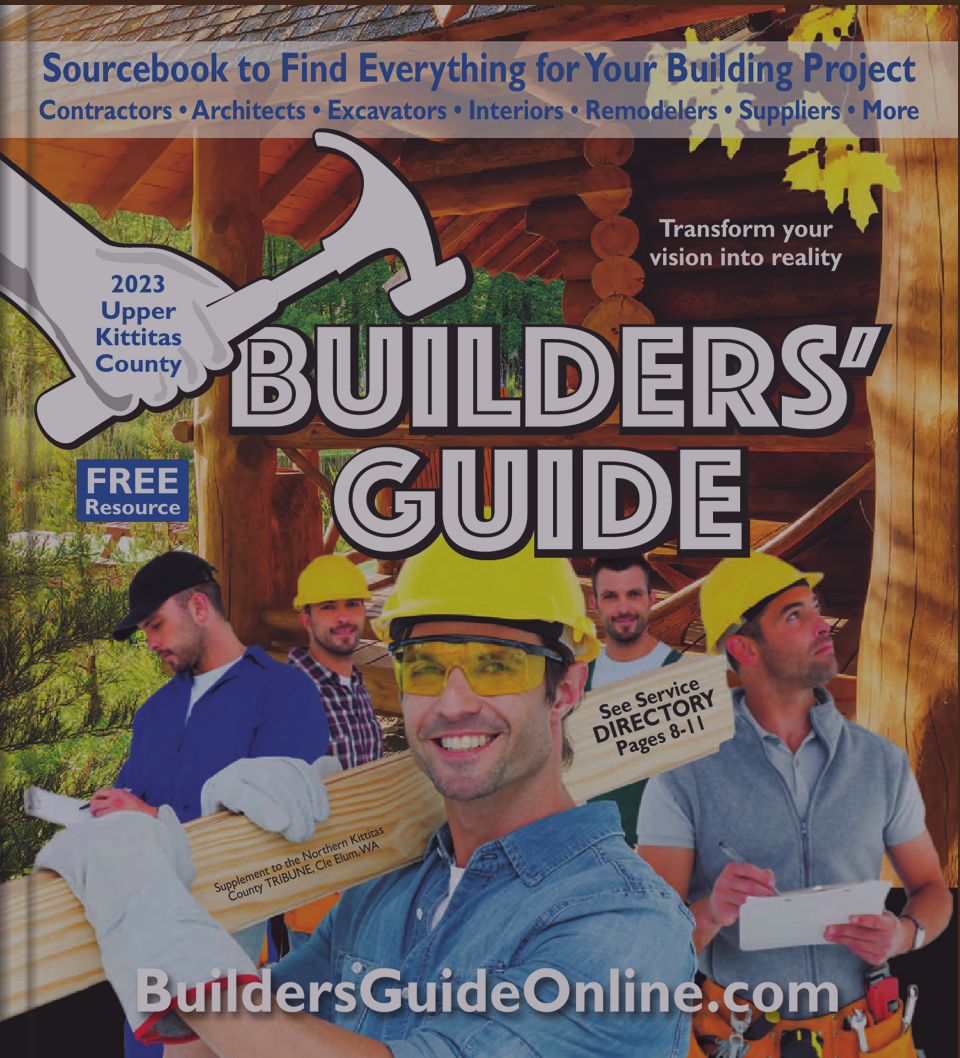
https://www.co.kittitas.wa.us/cds/building/default.aspx Access the 2023 Upper Kittitas County Builder's Guide here: https://buildersguideonline.com/guide/
|
AuthorHenrichsen Design, LLC Archives
December 2025
Categories |


RSS Feed